Heat your Midsummer sauna properly
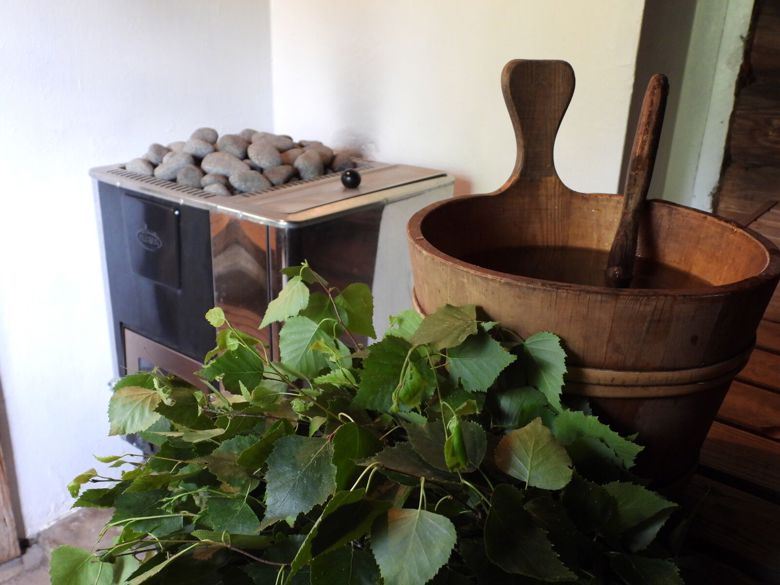
A wood-fired sauna is an important Midsummer tradition for many Finns. However, make sure to heat the sauna in a way that minimizes harmful emissions. Helsinki Region Environmental Services (HSY) provides five tips for more low-emission sauna heating.
Aim for colourless smoke from the chimney
Burning wood always produces harmful fine particles and carcinogenic PAH compounds that can penetrate deep into the lungs. When wood burns poorly, it produces many times more harmful emissions than when it burns efficiently.
“The colour of the smoke from the sauna chimney indicates whether you are heating the sauna correctly. If the smoke is dark or brown, emissions are high. The goal is to achieve colourless smoke,” says HSY air quality expert Nelli Kaski.
When the smoke is colourless, the sauna is heated with as low emissions as possible.
Emissions can vary greatly depending on burning practices
Your own sauna heating practices have a significant impact on emissions.
“Learning to light your wood-burning stove properly can significantly reduce emissions. The emissions from the same stove can vary manyfold depending on how it is used,” says Kaski.
Burn only dry wood
What you put into the sauna firebox is essential.
“Burn only dry wood in the firebox, not waste. Burning waste produces large amounts of particles, carbon monoxide, and PAH compounds, all of which are harmful to health. It can also damage the stove,” Kaski explains.
Sauna stoves are among the highest-emitting combustion devices. About half of Finland’s fine particle emissions come from residential wood burning, and sauna stoves account for a significant share of these emissions. New wood-burning stoves are generally less polluting than older ones.
Five tips for lower-emission sauna use
Kaski offers five tips to heat your sauna with minimal emissions:
- First remove old ashes.
- Use small pieces of wood at the beginning so they ignite quickly. Good kindling materials include wood sticks, a small amount of birch bark, and wood-based fire starters.
- Burn only dry wood. Never put waste such as sausage packaging, milk cartons, or disposable tableware into the firebox.
- Burn wood in several batches. Do not fill the firebox completely. Start with small pieces and increase the size towards the end. Add new wood only when the flame begins to fade.
- Good combustion requires the right amount of air. The fire should burn steadily, not sluggishly due to too little air. It should also not be too vigorous and roaring. Adjust the air supply according to your stove’s instructions.
Find more tips for wood burning at HSY’s website.
Information on air pollutants
- Fine particles are formed mainly from traffic exhaust, street dust and wood burning, and are also transported over long distances. They are considered especially harmful as they penetrate deep into the lungs. Sensitive groups include children, the elderly, and people with heart and lung diseases.
- Benzo(a)pyrene is a PAH formed during incomplete combustion. Elevated concentrations occur particularly in detached-house areas with extensive wood burning. Traffic contributes little to PAH levels. Benzo(a)pyrene and many other PAHs increase cancer risk.
- In the Helsinki metropolitan area, outdoor carbon monoxide concentrations are currently low. However, indoor levels can be high when using a personal fireplace or if smoke from neighbours enters indoor spaces. Carbon monoxide causes oxygen deficiency, which is particularly harmful to people with cardiovascular diseases, respiratory illnesses or anaemia, as well as to the elderly, pregnant women and newborns. Elevated concentrations can cause symptoms of carbon monoxide poisoning, such as headache, nausea and weakness. Inhaling carbon monoxide in large amounts can be life-threatening.
Further information:
- Wood-burning sauna stove
- Wood burning tips
- Video (in Finnish): Enjoy cleaner sauna bathing