KATOA project
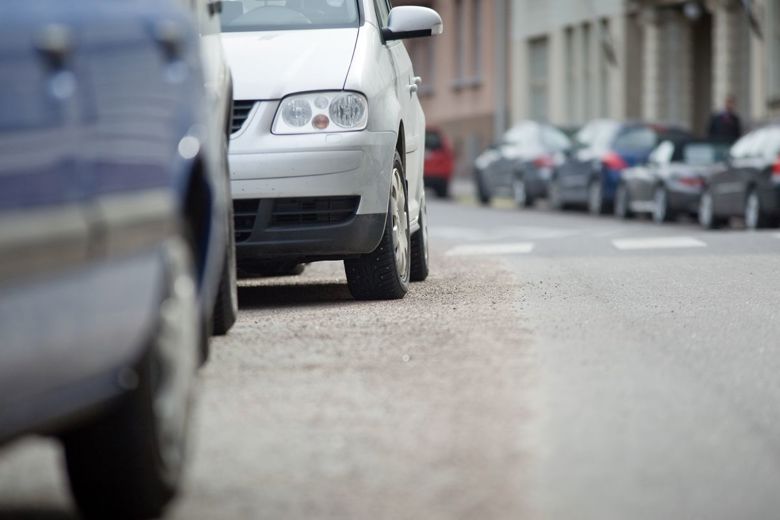
The KATOA project focused on the street dust problems on the road and street network: monitoring and management of dust as well as the assessment of the efficiency of emission reduction measures.
The aim of the project was to detect factors influencing emissions and concentrations as well as the influence rates of various emission sources in different types of street and environments. In addition, the aims of the project included identifying the most effective emission reduction possibilities and promoting their implementation. The project produced information to further the attainment of the objectives of the National Air Pollution Control Programme 2030 regarding street dust and continued the research work carried out in earlier street dust projects (KAPU, NASTA, REDUST, KALPA). The first phase of the project was carried out in 2021-2022 and the second one was implemented in 2023-2024.
In order to reach the objectives of the project, monitoring and modelling of street dust were carried out using various methods suitable to the purposes. In addition, existing data were exploited and time series were continued at locations that, for the most part, had already been subject to monitoring and intensified dust control measures since 2006.
The project was carried out as joint research between various organisations. SYKE and Metropolia University of Applied Sciences were primarily responsible for carrying out the work. The research was funded by HSY and the cities of Helsinki, Vantaa and Kuopio, as well as by the North Savo ELY Centre and MESTAR in the Kuopio area.
More information on the website of the Finnish Environment Institute (SYKE)