Bioindicator monitoring
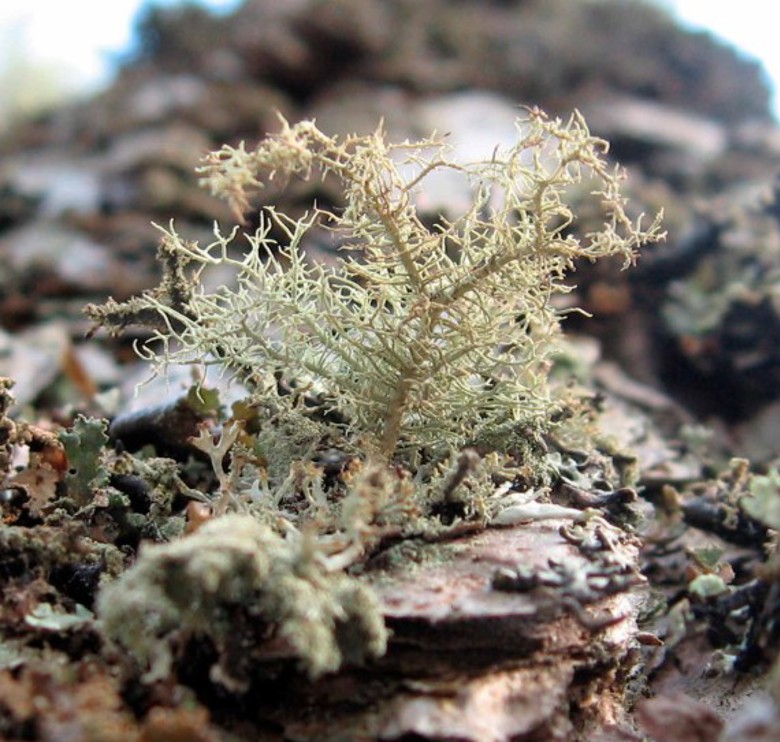
A bioindicator refers to any species that is particularly sensitive to some environmental factor and can therefore be used to assess the state of the environment. For example, a bioindicator can react to air pollutants by reduced occurrence, or by altered condition and appearance. Examples of bioindicators include plants and lichens affected by air pollutants, as well as predators at the top of the food chain, such as sea eagles, peregrine falcons and seals.
In Uusimaa, air quality monitoring is carried out as joint regional monitoring, the costs of which are borne by the region’s municipalities and in part by industrial plants. HSY is responsible for air quality measurements in Uusimaa.
Air quality and its development in Uusimaa have been examined by various parties by means of various bioindicator studies since the 1980s. The first common monitoring programme encompassing the entire Uusimaa was published in 2000 and based on it, bioindicator research covering the Uusimaa region was conducted in 2000–2001, 2004–2005, 2009, and 2014. From 2009 onwards, the bioindicator monitoring in Uusimaa has consisted only of lichen mapping. The monitoring focuses on determining the occurrence of 12 epiphytic lichens on pine trunks in accordance with the SFS 5670 standard. Additionally, the profusion of different lichen species and condition of tube lichen (Hypogymnia physodes) were assessed. The monitoring was conducted simultaneously in the entire Uusimaa region.
The monitoring programme was updated in 2018–2019, and the next lichen mapping was carried out in 2020 in accordance with the new monitoring programme. Compared to previous years, the sampling point network has been thinned out in background areas, but remains unchanged in population centres. A new SFS-EN 16413 standard of lichen mapping has been published, but monitoring was carried out in accordance with the old standard so that the results are comparable with previous monitoring.